Home Remedies

Natural Remedies

Style3[OneLeft]

Style3[OneRight]

Style4

Style5[ImagesOnly]

Style6

Four Steps to Reduce Stress

Do you ever find that you have become stressed out by all the pressures of life and don't know what to do?
Have you ever wished that you could find a way to reduce stress? The good news is that you can reduce stress in your life. Follow the four steps below to reduce stress:

1. The first step to reduce stress is to consider the things that annoy you the most.

A good way of identifying your main stressors is to keep a diary for two weeks.
Each day keep a list of the things that caused you tension or anxiety. Make a note of how, when and where those situations occurred. Consider what things continue to regularly cause you stress.

To help you to get started making your list here are some to the things that experts consider are the main causes of stress in our lives:
  • Fears, anxieties and phobias cause emotional stress.
  • Making decisions such as choosing a mate or deciding on a career.
  • Environmental problems such as noise, pollution or being too hot or too cold.
  • Relationship problems such as having to speak in public or dating problems.
  • Important changes such as moving home, a new baby or a new job.
  • Family problems such as financial difficulties or coping with an unruly teenager.
  • Chemical abuse including tranquilizers, caffeine, alcohol and nicotine.
  • Challenges at work such as meeting deadlines or unpredictable work colleagues.
At the end of each day consider how you handled those stressors. Make a note of how you felt physically and emotionally, and think about whether your reaction improved the situation or made it worse. Consider what action you could have taken to improve situation and determine to take that action if a similar situation arises.

2. Meditate on positive things that happen each day

Take some time to look back over everything that you were grateful for today. This could include a delicious meal, an uplifting conversation with someone, a project that you've completed or anything that made you smile or laugh. Develop an attitude of gratitude - you'll feel much better.

3. Understand yourself better as a person.

Understanding yourself better as a person will help you to find and then eliminate the root causes of your problems. This will reduce stress and reduce mood swings resulting in a happier life.

4. Determine which things give you the most joy.

The beauty of your life is you choose who you want in it and what you want to do with it. To help you get started find a pen and sheet of paper and set aside some time, at least an hour, when you're likely to be undisturbed. Quieten your mind and meditate on the things that give you the most joy. Write down whatever comes into your mind and then go through your list and put them in an order of priority. Then do them. It could include visiting somewhere that you've always wanted to see or anything else that would bring you joy.
  • Forget what others want and expect of you.
  • Find your passion and purpose.
  • Stay true to yourself.
Conclusion

You can reduce stress in your life. Follow the four steps above and you will experience less stress and more fulfillment and happiness in your life. You will be able to remove the emotional problems that you are experiencing and that are stopping you from succeeding. You will find that life is no longer controlling you but you will be free to take control of your life.

The result is that you will feel happier and more fulfilled so what are you waiting for.
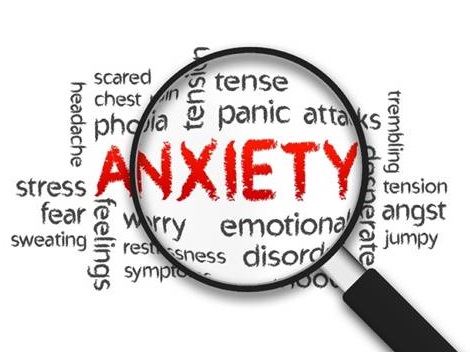

Overcoming Anxiety Attacks - Knowing Where to Begin


When you struggle with them, overcoming anxiety attacks are all you think about, but it is not easy to do when you do not know where to begin. There are a great number of options available these days, so finding one that works for you can be difficult.

Getting an understanding of why these attacks happen, helps to work out what to do alleviate anxiety attacks, no matter how bad they might be.There are certain tips and tricks that will help overcome anxiety attacks in a way that can make them go away and not come back.

So, why do we experience or develop anxiety attacks?

Largely, they are a result of how we live and what we do every day. They can also occur as a result of a major traumatic event especially if the person struggles to cope with it, but usually it just a result of accumulated stress.

Many people these days work too hard, stay up too late, push themselves too long, continually expect too much of themselves, and worry too much - and they do this each and every day!
And they tell themselves that it will only be for a little while, or till they have reached this goal, or have that 'thing'... until their bodies and their minds 'yell' - Enough!!

Continuing to live like that, means the body and mind are in a continual state of over-stimulation, and eventually it will lead to worrying about not getting things done, or to start fantasizing about things that may or may not happen.
Then there are other things that can happen on top of all of that, that will keep making the anxiety worse until whatever is wrong is finally confronted.

Overcoming anxiety begins with finding out what causes the anxiety to begin with. Is the cause the mind and nervous system being continually over-stimulated, or is it whatever is driving that behaviour in the first place?

There was a time when I tried to do full time study, part time work and still be a full time mother, and within eight months I had crammed so much into my mind and my day that my system could no longer take it.

My mind shut down, and I had anxiety attacks which made me feel absolutely terrible, terrified and out of control - I had what was defined as 'burn-out'. One of the best tips I received at that time was to 'ground' myself where I was. I needed to slow my thinking down and to start taking care of myself very basically.

My 'cure' was to change doing what was causing the over-stimulation and the anxiety, and just get back to basics - my body needed activity and rest and eating properly.

Relaxation and exercise were the first things I focused on, and these two are some of the most important things you can focus on in the beginning. Getting these in balance helped me cope with the anxiety more easily.

Starting to eat better and staying away from foods that did not 'feed' me, or that made things worse like caffeine, was also important in helping restore that balance.

My basic routine to begin with included - eating good food at least three times a day so that my body was not stressed by irregular intake of food and poor quality food, exercise like going for walks to stimulate blood flow and relax and release tension from my body, and rest, getting enough sleep to help my mind slow down and recover.

Some of the worst times were at night, waking up suddenly, feeling cold and shaky and my heart beating fast and feeling like I was only 'half there'. It was easy in the middle of the night for my mind to race and for feelings of panic to grip me.

One of the things I would do was tell myself where I was (grounding), I would wrap myself in something warm and comforting, and make a warm milky drink and sip that slowly. I would walk up and down the hallway to release the physical tension (fight or flight syndrome - boosts energy levels in the body and walking helped relax and release that energy) till I was calm enough to climb back into bed to sleep. (Oh, and I found for me that when I walked and prayed that helped me calm down a lot faster!)

Some of the other ways you can help yourself sleep better at night is - have a warm shower before bed, sleep in a warm bed in a cool quiet room and try some relaxation techniques before getting into bed.

I found overcoming anxiety was not easy at first, but when I finally realised that the attacks themselves could not harm me, I stopped getting them. There are things that can be done that will make it easier to overcome anxiety attacks and ensure that they never come back.

Hypertension - The Silent Killer


Hypertension is another name for high blood pressure, that is, the blood pressure is higher than normal or at an elevated state. Hypertension tends to affect the working age group that is often associated with high-stress conditions in the workplace. If hypertension is not controlled, those suffering may become a huge burden on the health system due to serious health problems. Hypertension is classified into two types, primary and secondary. Primary hypertension is high blood pressure that shows no specific cause. However, certain diet drugs can be suspect. Hypertension is not caused by tension or stress, even though some believe it is. Secondary hypertension may be the result of an underlying or dormant disorder. It is estimated to affect more than 50 million Americans and is one of the leading causes of cardiovascular and renal disease. It is also a leading cause of stroke, heart disease and kidney failure.

Hypertension can exist in several different forms and symptoms do not appear until it is severely high. It is common in older people and is widely associated with vascular dysfunction in the coronary circulation. When there is excessive pressure against the blood vessel walls and persist over several weeks to months, hypertension is diagnosed. Pressure inside the eye causes both retinopathy and ocular complications. Hypertension can be a serious condition since it can cause damage to many body organs including the kidneys, eyes and heart, among others.

Hypertension is the single most autonomous and important risk for cardiovascular disease, as well as congestive heart failure and even kidney failure. Other factors credited to hypertension are high salt intake, obesity and genetic vulnerability. It can continue for years and not be detected due to lack of symptoms, unless damage has occurred. It is a medical condition that can be a symptom of a dormant disease. The worst effects of hypertension are on the heart, kidneys, eyes and brain. Hypertension is a leading cause of deaths in adults, is a major health care problem and is the single most significant contributor to stroke, one of the biggest killer diseases known to man.

Shortness of breath upon exertion is the most common symptom of pulmonary hypertension and virtually everyone who has the condition develops it. Symptoms may include mild fatigue, dizzy spells, fainting, rapid heartbeat, ankle or leg swelling, bloating, tremors, stooped posture, slowness of movement as well as muscle rigidity. Primary pulmonary hypertension is found two times more often in women as men over age thirty-five. During pregnancy, primary hypertension may be most responsive to dietary calcium.

Diagnosis is by physical examination and renal imaging or measuring the blood pressure. Just about every physical examination includes checking the patient's blood pressure. A doctor may suspect pulmonary hypertension in people who have an underlying lung disorder. Portal hypertension is implied by the presence of known chronic liver disease such as enlarged spleen.

Treatment varies according to the stage of the disease. Hypertension is controllable with treatment, which may require periodic adjustment. The treatment is often associated with weight loss and increased exercise, but a doctor should be consulted even in cases of pre-hypertension. Hypertension is a very serious condition and should be taken seriously by both patient and doctor. It is commonly treated with drugs that decrease cardiac output and controlled with medications, dietary and lifestyle changes such as giving up smoking, lowering cholesterol and salt intake and exercising on a regular basis. Treatment of patients with primary hypertension is usually directed at the underlying disease. Treatment of high blood pressure significantly reduces the risk of heart problems and stroke. Opening the obstructed renal artery, with or without a stent, usually relieves hypertension.

Some patients may experience excessive daytime sleepiness, loud snoring, morning dry mouth or headaches, chronic nasal obstruction, irritability, depression or impotence. Patients with a diabetic nerve injury will improve if their diabetes is better controlled. Those patients that are overweight, have high stress levels and high intake of caffeine or alcohol, smoke or do not exercise regularly must change their lifestyles to decrease the risk for hypertension. Patients who experience extreme dips in blood pressure at night and extreme surges in the morning, as a rule, stay in the hospital overnight to quickly resume normal activities.