Home Remedies

Natural Remedies

Style3[OneLeft]

Style3[OneRight]

Style4

Style5[ImagesOnly]

Style6

The Joy of Living in Recovery


Step one was to acknowledge I was powerless and unmanageable. The first part is a conclusion I drew about myself after learning the facts about my disease as outlined in the Big Book. After honestly relating my experiences drinking to the "Doctor's Opinion" and the first three chapters I concluded, "Yes, I am an alcoholic. I have a problem with drugs and alcohol."

The second part is an agreement I make with the fact that yes, my life is unmanageable. I have a problem living. Not surviving or getting by, but actually living the life I always wanted to live. One without the constant fear, guilt, and remorse I lived with while drinking. A life without constantly fighting everyone and everything to have things my way. One I didn't have to prove myself to anyone or live up to anything.

Until I could admit that I was both powerless over drugs and alcohol and my life was unmanageable, I wouldn't need to try and be sober. It's that simple. I believe this is what our book refers to on page 30 when it says "We had to concede to our inner most selves that we were alcoholic. This is the first step in treatment." I was confusing wanting to be sober with wanting the consequences of my drinking to go away. For me, I knew I was alcoholic, but my life just wasn't unmanageable enough. When I admitted complete defeat was when I hit my bottom and was able to begin true recovery.

I was so self-sufficient it almost killed me. I lost everything I cared to lose and kept trying one more time to feel that ease and comfort which comes at once by taking a few drinks. The problem was I just couldn't get to that place anymore. I was stuck in self-pity. I went to treatment, I was doing aftercare, attending meetings daily and couldn't stay sober. I wanted to be sober and feel at ease and comfortable. That's the big dilemma for me getting and staying sober. The only tool I had to make life livable was alcohol and it quit working. I had to find a new way to do things.

I had a chance to be with my family Thanksgiving after a year of tough love. It was a weekend I will always remember. We were hiking in the mountains and I was overcome with the presence of His beauty and the unconditional love of family. I was filled with gratitude and the sense that I didn't have to live in the pain of my drinking ever again. My eyes opened to the possibility of a sober, happy life. I was powerless over alcohol and my life was unmanageable. I had taken step one. I was ready for recovery.

So what do I do? I work the remaining steps of Alcoholics Anonymous with a sponsor who has worked them. Not a drug and alcohol treatment center, not aftercare, not an Oxford House, not 90 meetings in 90 days, not anything else. Those things are helpful tools but by themselves they cannot keep me sober. If I could just not drink no matter what--as it is often suggested to newcomers, I wouldn't have a problem! It isn't easy, but nobody said life is. I had to quit feeling sorry for myself, grow up and take action to save my life. As soon as I recognized that and quit fighting it got a lot easier.

May all of you struggling with that first step find your way. Make this your bottom and get on with the joy of living in recovery.

COPD Life Expectancy


COPD is the abbreviation used for Chronic Obstructive Pulmonary Disease. It is also known in different names. For example, chronic obstructive lung disease (COLD), chronic obstructive airway disease (COAD), chronic airflow limitation (CAL) and chronic obstructive respiratory disease (CORD). It is a progressive disease which means it gets worse over time. It causes lungs problems and almost destructs them completely. This is one of the major causes of death in almost all the global nations. In USA, it is the fourth highest death cause disease. It is deadly and almost over than 82,000 people die every year due to this. Generally, the COPD life expectancy is very less and also it causes a large number of severe health problems in people. But, on the other hand, if it is detected early due to their early symptoms and also get it treated in its early stages, then the life expectancy can be greatly increased. If not, the sufferer's life will be greatly limited.

The most common symptom of COPD is breathing difficulty. It can be a huge disability that gets worse as this disease progresses. There are many techniques and exercises that help to decrease. Two of the most well known techniques are pursed lip breathing and diaphragmatic breathing. If you ever feel short of breath and you feel like you are suffocating, it helps to remember these quick and easy breathing tips. Sit and relax in a quiet and comfortable place, breathe in and out through your mouth going as fast as you need to, lower your head and shoulders and begin to slow down your exhalations. Repeat this a few times and you will feel a great deal of comfort as these exercises have been proven to help with breathlessness.

Smoking is one of the most biggest causes of COPD. Each year, three million people are dying as the result of smoking related diseases. Exposure to lung irritants such as dust, smoke, air pollution and other chemicals can also be causes for COPD. Quitting smoking can help but as there is no current cure to COPD, getting rid of cigarettes doesn't help much. It only reduces the risk factor by a little but of course, every little action counts towards the defeat of this chronic disease.

The Pathophysiology of COPD is not very easy to understand. Pathophysiology of COPD shows the structural changes in the airways, dysfunction of Cilia and inflammatory responses. It is these three things that lead to the blockage of airways. The inflammatory response of COPD is usually caused by too much smoking. It can also be caused by the inhalation of lung irritants such as pollens, air pollutants, smoke, dust and other chemicals.

Inhalers can be used to treat chronic diseases such as the first symptom of COPD- the chronic cough. The work that the inhalers do is that they push the medicine or drugs directly into the airways when you breathe in. Some people may get some benefits from using these inhalers but some might not. Some people use inhalers regularly and that might help to reduce shortness of breath and some just use it when they are experiencing troubles of wheezing and breathlessness.

Many people die from COPD every year. as there is no current cure for this disease, it is important that it is diagnosed in it's early stages. If you ever notice a sign or symptom that might mean you or someone you know could have COPD, it is important to contact a doctor of health care provider immediately. If this disease is discovered too late, the results can be deadly.

Help to Reduce Belly Fat


Can You Lose Weight Where You Want?

If you have excess weight only in specific parts of your body, you still must look at yourself as a whole. It's not possible to spot reduce; in other words, you can't dictate that you only want weight to come off one place or another. In most cases your so called "trouble spots" is where the fat will come off last, so be prepared to lose weight in your fingers (rings fall off) and your face (friends may ask if you're feeling all right) first. There is hope for losing that belly fat though.

Work Toward Building Muscle and Reducing Body Fat

If you work toward building muscle and reducing body fat you will eventually tackle those trouble spots though, and develop a better physique in the process. Muscle tissue is active meaning it requires calories to be maintained. If you were stranded without a food supply, eventually your body would turn to its own muscle tissue as a source of nutrition first (muscles are protein) while saving the fat stores for last. Simply put, fat is nature's way of ensuring survival during times of famine. That's why the prevalence of heart failure kills someone who is severely malnourished. By building more muscle you become a more efficient energy burning machine which translates to mean you can eat more food! That to me is a good thing.

The More Active You Are, The More You Get to Eat!

That explains why some people can eat so much more than others yet not gain weight; your efficient energy burning friend simply has a greater proportion of muscle to fat than you. Muscle is more dense than fat. It's often said that a pound of muscle is heavier than a pound of fat, but the truth is a pound is a pound. What they mean is a one pound volume of muscle is a smaller package than a one pound volume of fat, or put another way, fat is billowy and fluffy while muscle is sleek and compact. Lady No. 1 weighs 120 pounds with 30% body fat so she has 84 pounds of lean tissue and 36 pounds of fat, while Lady No. 2 also weighing 120 pounds but at 18% body fat is carrying roughly 98 pounds of muscle and 22 pounds of fat. Would you rather be Lady No. 1 or Lady No. 2? Which do you think takes up more space, 22 or 36 pounds of fat? I'd say 36 pounds of fat would be a lot bigger package than 22 pounds.


How Much You Weigh is Meaningless

That is why body weight as a number by itself is meaningless, but your ratio of fat to muscle is very important and worth working to change. Strive to decrease your body fat and increase your muscle mass and you'll look better, you'll feel stronger and more energetic and you'll simply be healthier.

You can generally have your body fat tested at fitness centers and most gyms so ask about having it done. It's better to know you have 30% body fat and work to reduce it to 29, than not to know and only think in terms of body weight. Most people who think only of how much they weigh tend to do everything to reduce that weight, and it's usually at the expense of losing more valuable muscle.

The best way to increase muscle and decrease fat is through a consistent exercise program. Start at whatever is your beginning, but do start.

Begin with an overall body conditioning type exercise program, doing whatever you enjoy, whether it be a sport, gardening, weight lifting, biking, hiking, or any other activity. Any physical movement you do regularly counts as exercise even if it is doing laundry or taking out the trash. Get as much as you can out of every chore you do, and stop thinking of it as a chore but instead as an opportunity to move your body.

In the early 1900s a washing machine was a new invention. People used to wash their clothes by hand, and hang them outside to dry. Being a housewife was actually a pretty strenuous job. It's no wonder women were thankful for modern conveniences like automatic washers and dryers, but now we've come to where our daily activities are not taking our bodies at all, so unless we want to get fatter and fatter we must do something about it.

Get Fit and Belly Fat Disappears

It doesn't make sense to drive around and around in the parking lot looking for the closest space when you're on your way to run or walk on the treadmill. Why take the elevator five flights every day at work and then pay a monthly fee to do the StairMaster after work? What if we all started to notice that our world is full of exercise equipment.

We could become so much more fit if we'd just start to notice all the opportunities for physical movement we miss in the name of convenience. Look around and see if you can spot some exercise opportunities, and then get busy and get fit.

By

Treatments For Teenage Depression Guide


The causes of teen depression are very similar to that of adult's depression. The death of a friend or family member, the death of a pet and loss of a relationship can all be catalysts for Depression. Feelings of guilt, failure, and worthlessness may also lead to Depression.
Abuse, chronic illnesses, and physical/learning disabilities can also cause depressive feelings.
Symptoms of teen Depression are also very similar to those of an adult. There may sleep or diet changes and withdrawal from friends, family, and favorite activities. Their moods may frequently change. Their self esteem is virtually non-existent and they may feel guilt, real or imagined. They can't make decisions, become overly sensitive to criticism. There is a pervasive sense of sadness about the teen who is depressed.

Treatments for teenage Depression can include medications known as anti-depressants.
These medications all work in different ways but are very effective. Unfortunately they also come with very serious side effects. A decision regarding medication can be made with the advice of your child's doctor. Children under the age of 21 should be monitored closely if they on antidepressants because they can cause your child to have suicidal thoughts.

Psychotherapy should be a part of the treatment plan. It can help your teen to learn different ways of solving problems and recognize and change negative thinking. It is important to find a psychiatrist and/or therapist that can develop a rapport with your child.

Part of treating a teen for depression is ruling out any physical causes. Hypothyroidism and Anemia can cause depressive feelings in teens. If nothing is found as physical symptom, other options for treatment should be explored.

Herbal Supplementation is an option with teens. They are all natural. They have few if any side effects. If your child is taking any other prescriptions for other conditions the herbal supplement may reduce the effectiveness of those medications

Conclusion

Treatments (for) teenage depression are very similar to adult treatments as are the causes of Depression. Help is available to you to help you help your teen. It is important that you let your teen know that you love them and that you are there for them. Monitor them closely when they are taking antidepressants because they can cause suicidal thoughts in children up to the age of 21. There is hope for your teen. Recovery is possible.

We have found a pure natural depression supplement that can also help with
anxiety and overall general well being.

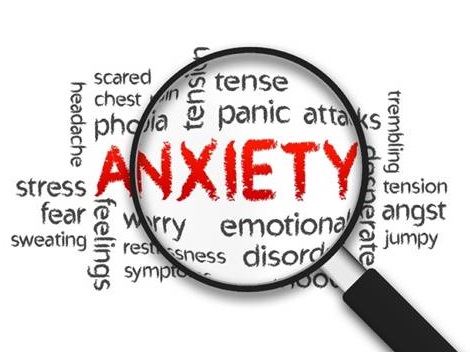
Overcoming Anxiety Attacks - Knowing Where to Begin


When you struggle with them, overcoming anxiety attacks are all you think about, but it is not easy to do when you do not know where to begin. There are a great number of options available these days, so finding one that works for you can be difficult.

Getting an understanding of why these attacks happen, helps to work out what to do alleviate anxiety attacks, no matter how bad they might be.There are certain tips and tricks that will help overcome anxiety attacks in a way that can make them go away and not come back.

So, why do we experience or develop anxiety attacks?

Largely, they are a result of how we live and what we do every day. They can also occur as a result of a major traumatic event especially if the person struggles to cope with it, but usually it just a result of accumulated stress.

Many people these days work too hard, stay up too late, push themselves too long, continually expect too much of themselves, and worry too much - and they do this each and every day!
And they tell themselves that it will only be for a little while, or till they have reached this goal, or have that 'thing'... until their bodies and their minds 'yell' - Enough!!

Continuing to live like that, means the body and mind are in a continual state of over-stimulation, and eventually it will lead to worrying about not getting things done, or to start fantasizing about things that may or may not happen.
Then there are other things that can happen on top of all of that, that will keep making the anxiety worse until whatever is wrong is finally confronted.

Overcoming anxiety begins with finding out what causes the anxiety to begin with. Is the cause the mind and nervous system being continually over-stimulated, or is it whatever is driving that behaviour in the first place?

There was a time when I tried to do full time study, part time work and still be a full time mother, and within eight months I had crammed so much into my mind and my day that my system could no longer take it.

My mind shut down, and I had anxiety attacks which made me feel absolutely terrible, terrified and out of control - I had what was defined as 'burn-out'. One of the best tips I received at that time was to 'ground' myself where I was. I needed to slow my thinking down and to start taking care of myself very basically.

My 'cure' was to change doing what was causing the over-stimulation and the anxiety, and just get back to basics - my body needed activity and rest and eating properly.

Relaxation and exercise were the first things I focused on, and these two are some of the most important things you can focus on in the beginning. Getting these in balance helped me cope with the anxiety more easily.

Starting to eat better and staying away from foods that did not 'feed' me, or that made things worse like caffeine, was also important in helping restore that balance.

My basic routine to begin with included - eating good food at least three times a day so that my body was not stressed by irregular intake of food and poor quality food, exercise like going for walks to stimulate blood flow and relax and release tension from my body, and rest, getting enough sleep to help my mind slow down and recover.

Some of the worst times were at night, waking up suddenly, feeling cold and shaky and my heart beating fast and feeling like I was only 'half there'. It was easy in the middle of the night for my mind to race and for feelings of panic to grip me.

One of the things I would do was tell myself where I was (grounding), I would wrap myself in something warm and comforting, and make a warm milky drink and sip that slowly. I would walk up and down the hallway to release the physical tension (fight or flight syndrome - boosts energy levels in the body and walking helped relax and release that energy) till I was calm enough to climb back into bed to sleep. (Oh, and I found for me that when I walked and prayed that helped me calm down a lot faster!)

Some of the other ways you can help yourself sleep better at night is - have a warm shower before bed, sleep in a warm bed in a cool quiet room and try some relaxation techniques before getting into bed.

I found overcoming anxiety was not easy at first, but when I finally realised that the attacks themselves could not harm me, I stopped getting them. There are things that can be done that will make it easier to overcome anxiety attacks and ensure that they never come back.

Alcoholism And How It Develops


Alcoholism has a number of definitions, depending on who is defining it. To those who witness it firsthand, it seems like a form of escalating madness. Even within the medical community there are differing viewpoints about alcoholism. Psychiatrists may focus on the psychological components of alcoholism and an alcoholic's interaction with life and society. Other doctors may view alcoholism purely as a physical addiction and choose to treat it with drugs. Usually both approaches are used, particularly with advanced alcoholism. Various political and religious groups may choose to view alcoholism in a different light. Due to the failure of prohibition few politicians would condone a return to it, however even today some jurisdictions do limit public drinking to maintain public order.

The abuse of alcohol is probably as old as agriculture, when human beings first made alcohol. Some people believe that alcohol production became a way of purifying water. This would have protected early humans from the risks associated with catching intestinal parasites from drinking water.

Some human genes seem to cause some individuals to fail at producing chemicals within their brains that alcohol can mimic. This is what is meant when an individual is considered to have a genetic vulnerability to alcohol addiction. There have been several genes identified that are linked to this vulnerability.

Although there may be a genetic vulnerability to alcohol abuse in some people, few experts on the subject would consider genetics to be the sole cause of alcoholism. The social groups that the individual belongs to and the culture within those groups in relation to drinking, may also have an impact on the drinker. These social groups would also include relatives. It may be difficult to separate a genetic vulnerability and a tendency in some families to drink on a variety of occasions and maybe frequently. To say it runs in the family may not be identifying much in terms of exact causes.

There seems to be ample evidence to suggest that social behaviors of some groups, as well as psychological vulnerabilities of some people, can contribute to the development of alcoholism. The vulnerability of an individual may be enhanced by poor emotional health. Emotional health can be effected both by external events in an individual's life and by their personal reaction to these events. Examples could be unhappy employment or job loss, the decay of or loss of a romantic relationship, or even health problems. Part of the issue is the problem itself, but a portion of the responsibility lies with how the individual chooses to cope with the problem.

The damage to the body, brain, social life and finances of an alcoholic can be devastating in the long run. The longer that the alcoholism goes on, the greater the resulting damage will be. With exception to drinking and driving convictions, modern societies have no mechanism to compel an alcoholic to seek treatment - regardless of how much damage they've done to their lives.

Cures for alcoholism always carry with them the potential of failure; a percentage of alcoholics will always start to drink again. Some organizations, such as Alcoholics Anonymous, favor complete abstinence. Others recognize that some renewed drinking, as long as it is moderate, is not necessarily a failure.

Grappling with alcoholism is a life long struggle for those who suffer from it. Unfortunately those who wrestle with this illness may suffer considerable damage before summoning the resolve to attempt recovery. Science and medicine continue to make advances in coping with alcoholism, but the real effort is in the life and resolve of each alcoholic trying to get better.